
Welcome to the 2007 Accord Sedan reference guide. This manual offers concise instructions on vehicle operation, safety, and maintenance. Follow the sections for seat belt use, dashboard controls, climate settings, audio, and pre‑drive checks to ensure safe, efficient driving. and enjoy smooth ride today.!

Safety Information
Before you drive, review the safety features of the 2007 Accord. The car has dual‑stage airbags, side‑airbags, and a pre‑tensioning seat‑belt system that tightens automatically in a collision. All occupants must wear seat belts at all times. The seat‑belt buckle should be fully latched and the belt should lie flat across the chest and hips, not the neck or abdomen. The supplemental restraint system (SRS) monitors seat‑belt usage and activates the airbags only when the belts are properly fastened. Child seats should be secured with the LATCH system, and the front passenger seat is not recommended for children under 13 years or 48 inches tall. After a collision, inspect the airbags for damage; if any have deployed, replace them immediately. The SRS warning light on the dashboard indicates any malfunction. Keep the vehicle’s manual and emergency kit in the trunk for reference. Always keep the seat‑belt buckle free of debris. Check that all airbags are functional before each trip. Keep the rear‑seat child‑seat anchors in good condition. Use the vehicle’s anti‑roll bar to reduce body roll. Maintain proper tire pressure for optimal handling. Keep the windshield wipers clean for clear visibility. Store emergency supplies in the trunk for quick access. Avoid overloading the vehicle beyond its rated capacity. Keep the vehicle’s manual in the glove compartment. Use the traction control system in slippery conditions. Keep the seat‑belt pretensioners lubricated. Inspect the seat‑belt tensioners periodically. Ensure the child seat is installed correctly. Never leave a child unattended in the vehicle. Always keep the vehicle’s safety features in optimal state today!.

Vehicle Overview
The 2007 Honda Accord Sedan is a mid‑size vehicle that blends performance, comfort, and advanced technology. Designed for everyday use, it offers a 2.4‑liter inline‑four engine that delivers 150 horsepower and 148 lb‑ft of torque, paired with a 5‑speed manual or 4‑speed automatic transmission. The engine’s direct‑fuel injection and variable valve timing provide efficient power delivery and reduced emissions. The Accord’s exterior features a bold front grille, LED daytime running lights, and a sleek roofline that enhances aerodynamics. Inside, the cabin is spacious with cloth or leather upholstery options, power‑adjustable front seats, and a 6‑speed manual or 4‑speed automatic gearbox. The 2007 model includes standard safety equipment such as front airbags, side‑airbags, and a driver‑seat belt pretensioner. Optional extras include a navigation system, premium audio, and a rear‑view camera. The vehicle’s fuel economy averages 21 mpg in the city and 28 mpg on the highway, meeting EPA standards for its class. Maintenance intervals recommend oil changes every 5,000 miles, tire rotations every 7,500 miles, and brake inspections at 10,000 miles. The 2007 Accord’s cabin is designed for comfort, featuring a 6‑speed manual or 4‑speed automatic transmission, power‑adjustable front seats, and a spacious trunk that can accommodate a full set of tires. Standard amenities include power windows, power locks, and a 4‑speaker audio system. The vehicle’s suspension is tuned for a smooth ride. It has a 5‑speed or 4‑speed gearbox.

Instrument Panel and Controls

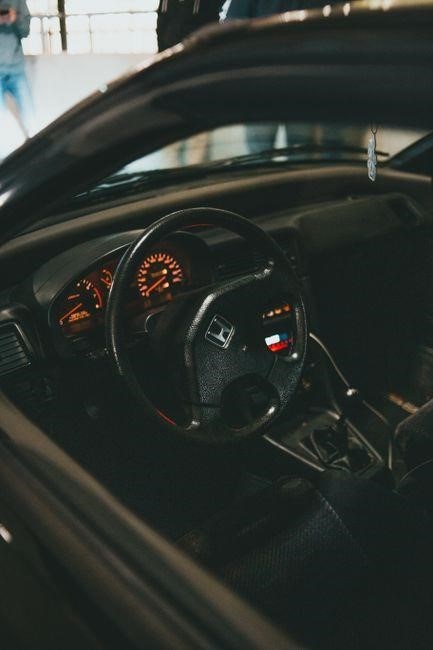
The 2007 Accord’s dashboard is a user‑friendly hub that combines clear gauges, intuitive controls, and a modern aesthetic. The speedometer, tachometer, and fuel gauge are positioned within easy line of sight, each featuring a back‑lit display that remains readable in low light. A multi‑function center console houses the climate control knobs, audio selector, and a 5‑inch color display that provides real‑time information such as trip data, fuel economy, and maintenance alerts.
On the steering wheel, a set of multifunction buttons allows the driver to adjust audio volume, change radio stations, and activate the hands‑free phone system without taking hands off the wheel. The steering wheel also features a cruise control button, a button for the rear‑view camera, and a button to toggle between automatic and manual transmission modes if equipped.
Additional controls include a power‑window lever, power‑door lock switch, and a keyless entry system that uses a remote or a push‑button start. The center console also contains a USB port for media playback and a 12‑volt accessory outlet for charging devices. All controls are designed for ergonomic placement, ensuring that the driver can operate them comfortably while maintaining focus on the road.
The instrument cluster features a digital clock, a trip computer, and a multi‑function display showing fuel economy and maintenance reminders. A dimmer adjusts illumination for optimal visibility day or night. Numerals icons remain readable in bright sunlight or dim interior lighting.!
Comfort and Convenience Features
The 2007 Accord delivers a suite of comfort and convenience features designed to enhance daily driving. The power‑adjustable front seats offer lumbar support and a memory setting that stores driver and passenger preferences. A dual‑zone climate control system allows the driver and front passenger to set independent temperatures, while rear‑seat vents provide additional airflow for rear occupants.
Convenience is further elevated by the integrated audio system, featuring a 6‑speaker setup, AM/FM radio, and a CD player. The system includes a 3‑band equalizer and a 3‑point volume control that adjusts the front and rear speaker levels. A 12‑volt accessory outlet and a USB port enable charging of mobile devices and playback of digital media.
The vehicle’s keyless entry system allows the driver to unlock and start the engine with a push‑button, eliminating the need to remove the key from a pocket. A power‑window lever, power‑door lock switch, and a rear‑view camera provide added safety and ease of use. The interior lighting features a dimmer switch that adjusts illumination for nighttime driving.
Additional convenience features include a built‑in navigation system with voice prompts, a rear‑view camera that displays on the central display when the vehicle is in reverse, and a driver‑assist system that monitors blind spots. All these elements combine to create a comfortable, user‑friendly driving environment.
The Accord’s design prioritizes driver comfort ensuring a safe journey.

Pre-Drive Preparation
Before setting off, ensure the 2007 Accord is ready for safe operation. Check the tire pressure and tread depth; proper inflation improves handling and fuel economy. Inspect the exterior for damage or loose parts, and confirm all lights—headlights, brake, turn, and hazard—are functioning. Verify the fluid levels: engine oil, coolant, brake, and power‑steering. If any fluid is low, top up with the specified type.
Load the vehicle responsibly. Distribute weight evenly and secure cargo to prevent shifting during motion. Use the trunk’s tie‑down points for heavy items. Confirm that the rear‑view mirror and side mirrors are adjusted for optimal visibility. If the vehicle has a rear‑view camera, ensure the image is clear and the camera is free of debris.
Set the climate control to a comfortable temperature before departure. Adjust the seat and steering wheel to a position that allows full range of motion. Check the radio and navigation settings, and load any desired audio or route information. If the vehicle is equipped with a keyless start, insert the key fob into the designated slot and press the start button after confirming all doors are closed.
Finally, perform a quick walk‑around inspection. Verify that all doors, hood, and trunk are securely closed. Confirm that the parking brake is engaged if the vehicle will remain stationary. Once satisfied, start the engine, allow it to reach operating temperature, and proceed with confidence.

Driving and Handling
The 2007 Accord delivers balanced steering and responsive handling. Keep a safe following distance, maintain proper lane position, and anticipate traffic. Use smooth acceleration and braking, adjust speed for road conditions, and obey all traffic laws for safe driving. Keep headlights on in fog or rain.!!!
Owner Identification and Registration
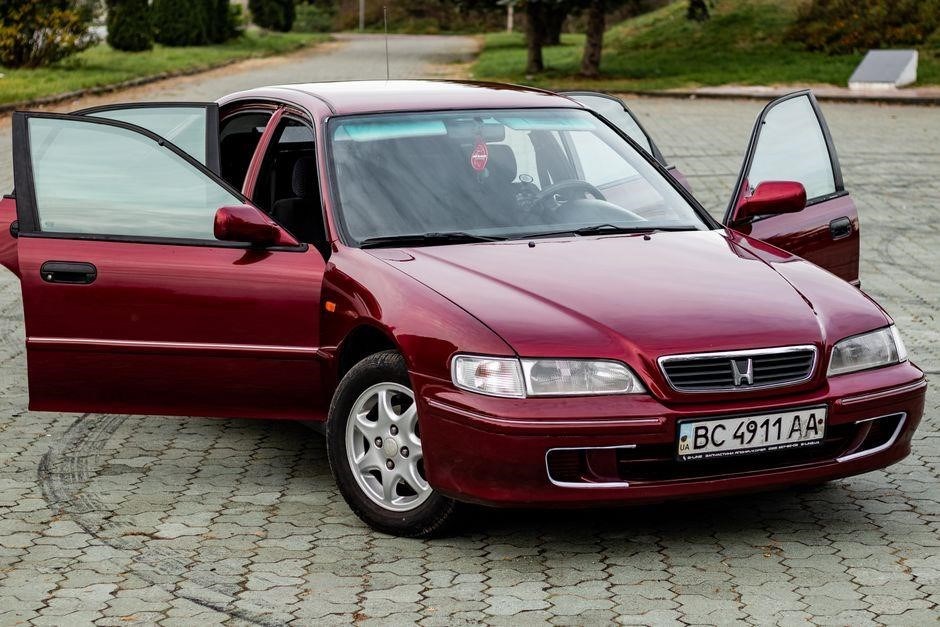
Before you take your 2007 Accord onto the road, complete the Owner Identification Form and register the vehicle with your local Department of Motor Vehicles. The form requires the VIN, year, make, model, color, your name, address, and driver’s license number. Ensure the VIN matches the stamped number on the driver’s side of the dashboard and chassis. Submit the completed form with proof of insurance, a valid driver’s license, and the original title or a copy if you are a lease holder. Keep a copy of the registration certificate in the glove compartment for quick reference during traffic stops. If you move, update your registration within 30 days to avoid penalties. For out‑of‑state vehicles, provide proof of residency and pay applicable taxes. Once registered, affix the license plate to the rear of the vehicle in the designated spot. The registration sticker, indicating the expiration date, should be placed on the rear window or license plate frame, depending on state regulations. Review the expiration date regularly and renew the registration on time to maintain legal compliance and avoid fines. If you sell or trade in the Accord, surrender the license plates and cancel the registration to prevent future liability. The registration process proves ownership, pays taxes, and ensures the vehicle is legally authorized to operate on public roads. Follow the instructions in the Owner Identification section of this manual for detailed steps and required documentation.
Seat Belts and Supplemental Restraint System
All passengers must wear seat belts. The 2007 Accord is equipped with three‑point seat belts for front seats and lap‑only belts for rear seats. The belts automatically deploy when the vehicle is in motion and the driver’s seat belt is fastened. To adjust the belt, pull the release lever and slide the belt to the desired length. The seat belt tensioners keep the belt tight during a collision. The Supplemental Restraint System (SRS) includes airbags for the driver and front passenger, side curtain airbags, and seat‑belt pretensioners. The SRS monitors vehicle speed, seat‑belt usage, and impact forces. If a collision occurs, the system deploys airbags and pretensioners simultaneously to reduce occupant movement. The driver’s seat belt must be worn for the airbags to function properly. If the driver’s seat belt is not fastened, the airbag will not deploy to avoid injury. The rear seat belts are not SRS‑equipped; they are only lap belts. Always check that all seat belts are properly fastened before driving. The SRS warning light on the dashboard illuminates during a system check and remains on if a fault is detected. If the SRS light stays on, have the vehicle inspected by a qualified technician. Proper use of seat belts and the SRS is essential for safety and legal compliance. Failure to wear seat belts can result in fines and increased injury risk in a crash. Follow these guidelines to protect yourself and your passengers. Remember that the seat belt warning light will illuminate if a belt is not properly fastened, ensuring you are alerted before you start the engine. Always double‑check that the belt is snug and the buckle is secure before driving!!;
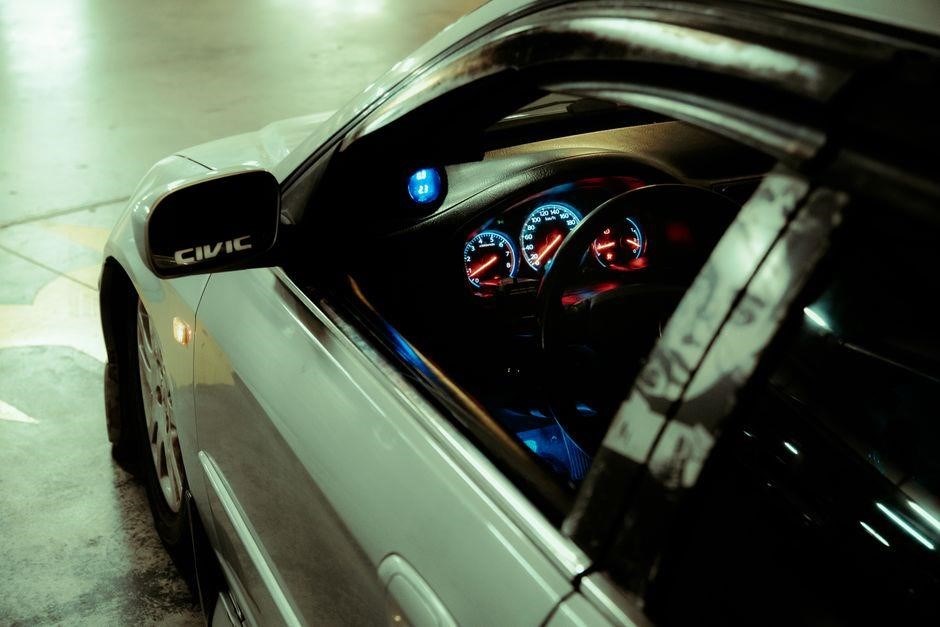
Dashboard gauges give real‑time data on engine performance and vehicle status. Key gauges include the speedometer, tachometer, fuel gauge, temperature gauge, and oil pressure gauge. The speedometer shows speed in mph or km/h, depending on the selected unit. The tachometer displays engine revolutions per minute (RPM) and helps drivers shift gears efficiently. The fuel gauge indicates remaining fuel level and is calibrated to show full, half, and empty. The temperature gauge monitors coolant temperature; a red zone signals overheating, requiring immediate action.
Indicator lights on the instrument panel alert drivers to various system statuses. The check‑engine light signals a fault in the engine or emissions system and should be inspected promptly. The ABS light indicates a problem with the anti‑lock braking system. The traction control light warns of a malfunction in the traction control system. The battery light alerts to charging system issues. The seat‑belt warning light illuminates when a seat belt is not fastened. The SRS warning light indicates a fault in the supplemental restraint system. The oil light signals low oil pressure or low oil level. The coolant temperature light indicates overheating. The tire pressure monitoring system (TPMS) light alerts to low tire pressure. The airbag warning light indicates a fault in the airbag system. Regular checks keep you informed. Stay alert to dashboard signals safety today.
Climate Control Operation
The 2007 Accord’s climate control system is engineered to deliver precise temperature regulation and airflow distribution for both driver and passenger zones. The dual‑zone automatic climate control allows each occupant to set a distinct temperature, ranging from 60°F to 80°F (15.5°C to 26.6°C). The system automatically balances the cabin temperature by adjusting the blend door position based on real‑time sensor data. To engage the system, the driver presses the “Auto” button; the system then monitors cabin temperature, outside temperature, and humidity, and adjusts fan speed and air distribution accordingly. The fan speed dial controls airflow intensity, while the air distribution selector directs air to the vents, floor, or rear vents. The recirculation switch toggles between fresh outside air and recirculated cabin air, which is useful during high‑pollution or high‑temperature conditions. The “Defrost” mode directs warm air to the windshield and front side windows, and can be combined with the “Auto” mode for automatic adjustment. The climate control panel features a small LCD screen that displays the current temperature, fan speed, and mode status in real‑time, providing visual feedback for each setting. For optimal performance, the cabin filter, located behind the glove box, should be replaced every 15,000–20,000 miles or as recommended in the maintenance schedule; a clogged filter can reduce airflow and affect temperature regulation. The system also supports a “Vent” mode, which directs air to the rear seats for rear‑passenger comfort. By using the automatic climate control, drivers can focus on the road while the system manages temperature and airflow efficiently, thereby minimizing fuel consumption and maximizing comfort. For additional details, consult the vehicle’s owner’s manual or contact a certified Honda dealer. The climate control system is designed to adapt to varying weather conditions, ensuring a pleasant driving experience regardless of external temperature fluctuations.
Audio and Entertainment System
The 2007 Accord’s audio and entertainment system is designed to provide a listening experience while maintaining driver focus. The standard system includes a 6‑speaker configuration with a 12‑inch display a CD/MP3 player AM/FM radio and a 4‑channel digital processor. The system is accessed via a central console touch‑pad and a rotary dial that controls volume track selection and source switching. The 6‑inch color display shows track information radio station details and system settings. The system supports Bluetooth connectivity for hands‑free calling and audio streaming, allowing the driver to pair a compatible mobile device. The system also includes a USB port for music playback and a 3.5‑mm auxiliary input. The audio equalizer offers preset modes such as “Rock,” “Jazz,” “Classical,” and “Pop,” as well as a manual “Custom” mode where the driver can adjust bass mid‑range and treble levels. The system’s digital signal processor automatically balances the sound output across all speakers, ensuring clear audio regardless of cabin noise. The 2007 Accord also features a “Rear‑Seat Entertainment” option in some trims, which includes a rear‑view monitor and a cable‑connected DVD player. For optimal performance the speaker cables should be inspected for corrosion and the amplifier should be cleaned annually. The system’s power consumption is minimal, contributing to overall fuel efficiency. For detailed troubleshooting refer to the “Audio System” section in the owner’s manual or contact a certified Honda service center. The head unit’s firmware can be updated via USB adding features such as audio codecs and profiles. The system’s sound is calibrated soon ensuring accurate reproduction of music and spoken audio.
Fuel Type and Break-In Procedure
The 2007 Accord is designed to run on regular unleaded gasoline with an octane rating of 87 or higher. Premium gasoline is not required and offers no measurable performance benefit. Using the correct fuel type ensures optimal combustion efficiency and protects the engine’s catalytic converter.
When you first start a new Accord, a careful break‑in procedure is essential. During the initial 500 miles, keep the engine’s revolutions per minute (RPM) below 3,000. Avoid sustained high‑speed driving and do not exceed 3,000 rpm for more than 10 minutes at a time. This allows piston rings and cylinder walls to seat evenly and reduces wear.
Use moderate acceleration and smooth braking. Avoid heavy loads and high‑speed driving until the engine warms up and oil circulates fully. Keep engine temperature within recommended range using climate control.
After completing the first 500 miles, change the engine oil and filter to remove any metal particles that may have accumulated during break‑in. Inspect the oil level regularly and top off as needed. Maintaining proper oil levels and quality is crucial for long‑term engine health.
Following these steps will help the Accord maintain optimal performance, fuel economy, and reliability for years to come. Regular maintenance, such as scheduled oil changes and tire rotations, complements the break‑in procedure and ensures the vehicle remains in top condition.
Always consult the owner’s manual for specific maintenance intervals and service recommendations. Enjoy the ride!!